Introduction: Why “YouTube Promotion” Is Not One Thing
“YouTube promotion” is often treated as a single activity. In reality, it refers to a set of different mechanisms, designed for different objectives and applied at different moments in a channel’s lifecycle.
Most creators do not fail because promotion “doesn’t work”. They fail because they apply the wrong type of promotion to the wrong problem, often optimizing a single visible metric while ignoring how YouTube actually evaluates viewer behavior over time.
This guide exists to explain what each type of YouTube promotion is actually for, how professionals reason about it, and where its limits are. It does not promise outcomes. It does not sell shortcuts. It explains systems.
How This Guide Is Built
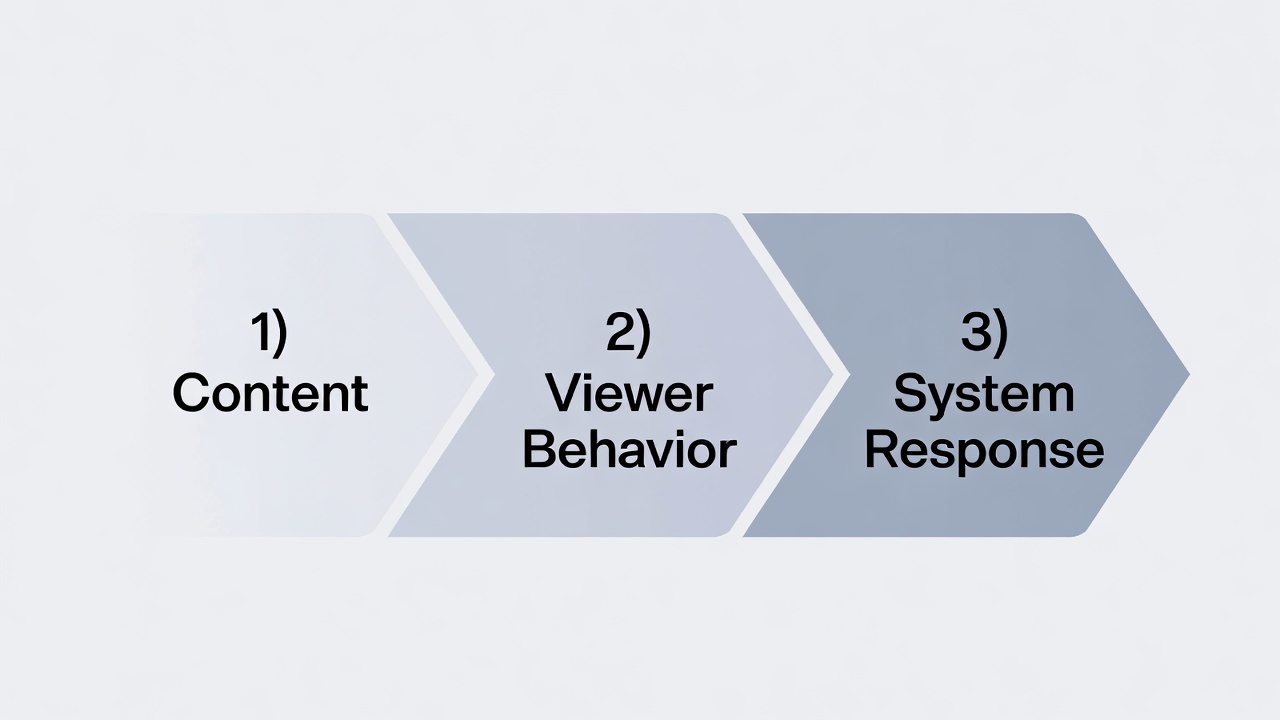
This article is based on long-term observation of YouTube Analytics data, including watch time accumulation, audience retention curves, pacing effects, early drop-off behavior, traffic source evolution, and session continuation patterns.
Observations come from repeated campaign analysis over time, compared against organic baselines, and contextualized using publicly available information from YouTube Creator Insider and official documentation.
“YouTube doesn’t optimize for views. It optimizes for long-term viewer satisfaction.”
— YouTube Creator Insider
All examples are anonymized. No private channels or clients are disclosed. Dates and periods are intentionally preserved to show temporal context.
This is not a sales page. It is a classification and decision guide meant to reduce misuse and false expectations.
What We Actually Observed in Real Campaigns
Over time, across multiple channels and formats, some patterns appeared with remarkable consistency. Not as guarantees, but as recurring behaviors visible inside YouTube Analytics.
These observations come from campaigns where promotion was applied conservatively and compared against periods with no external stimulation.
One insight emerged clearly: most promotion does not fail loudly. It fails silently.
“Short-term engagement spikes are easy to generate. Long-term satisfaction is not.”
— From internal campaign review
Dashboards often look clean. Metrics appear stable. Numbers improve in isolation. Yet downstream effects never materialize. No sustained recommendations, no search lift, no compounding exposure.
The difference between campaigns that helped and campaigns that stalled was rarely volume. It was behavioral coherence over time.
A Core Principle: Promotion Is a Tool, Not a Goal
Promotion does not create value. It amplifies, stabilizes, or tests value that already exists.
Each service discussed below answers a specific question. None of them answers “How do I go viral?”
Typical Patterns Seen in YouTube Analytics
Most videos experience decisive audience behavior very early. How viewers behave in the first minute strongly conditions everything that follows.
Observed pattern: early retention collapse
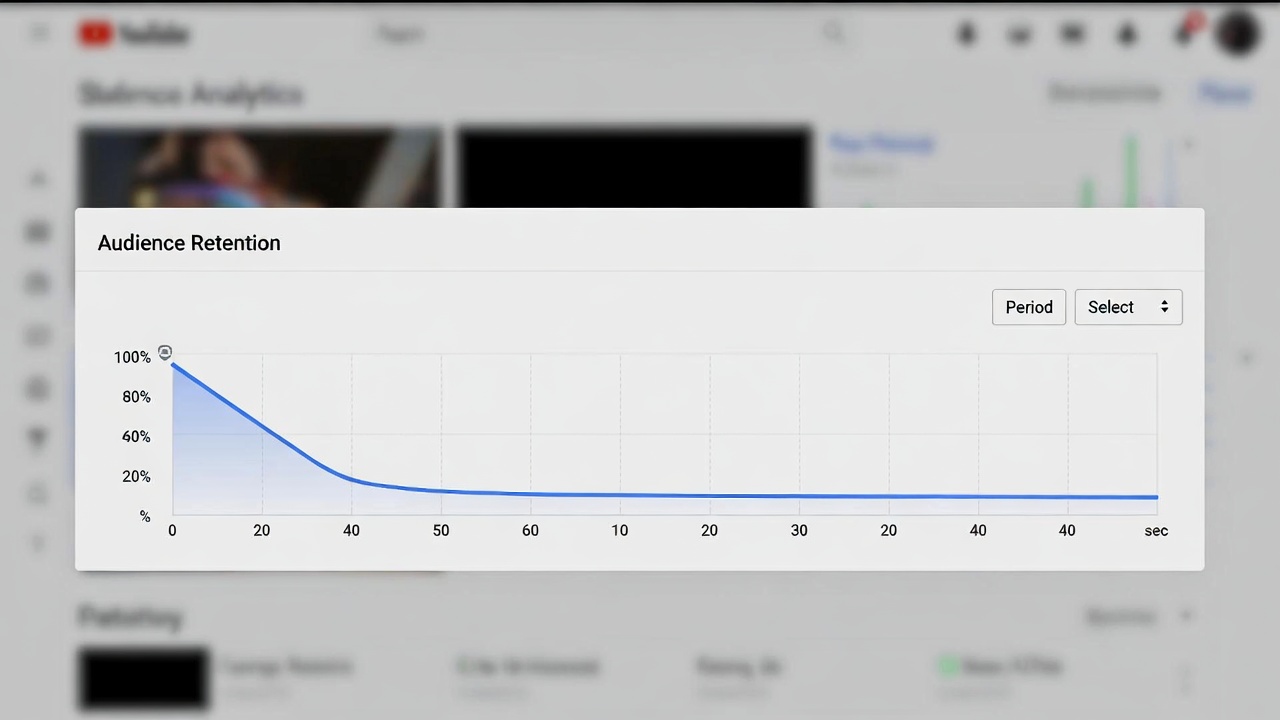
This pattern appeared consistently across multiple campaigns. When audience retention collapsed sharply in the first 30 to 60 seconds, no form of promotion produced lasting uplift.
Even when views increased temporarily, impressions and recommendations decayed shortly after promotion stopped. The system appears to treat early abandonment as a high-confidence negative signal.
Observed pattern: stabilized early retention
When retention stabilized after the first minute, even modest promotion resulted in more predictable downstream behavior. In these cases, promotion did not change the nature of the curve, but allowed the system to observe consistent viewer behavior over a longer window.
The difference was not average retention, but where exits occurred.
Drip Feed YouTube Promotion
What it actually does at system level
Drip feed promotion is not designed to add views aggressively. Its real function is temporal normalization of engagement signals.
YouTube evaluates not only how much engagement occurs, but also when it occurs. Sudden spikes that exceed a channel’s historical baseline often lead to short-lived exposure followed by decay, because the system struggles to model long-term viewer satisfaction from a single burst.
Drip feed distributes engagement over time so that signal velocity resembles organic discovery rather than anomalous demand.
Observed effect in analytics
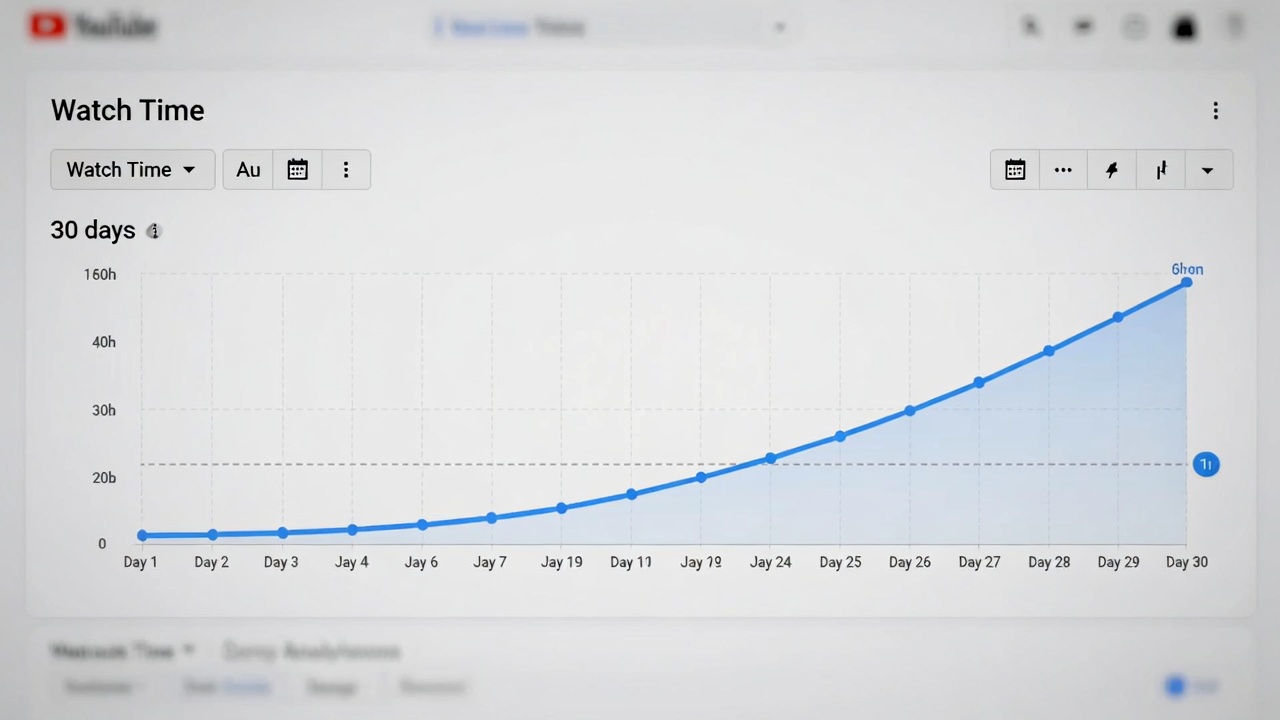
In campaigns where drip feed was applied to content with stable early retention, analytics showed smoother engagement curves and more consistent session initiation.
In campaigns where early retention was unstable, drip feed produced visually clean graphs but no secondary propagation. This outcome repeated often enough to be treated as a warning sign rather than an exception.
Drip feed reduces uncertainty. It does not manufacture demand.
Watch Time Services
What watch time represents inside YouTube systems
Watch time is not just a cumulative number. It is a proxy for sustained attention and session value.
YouTube evaluates how watch time integrates into broader session patterns, including whether viewers remain on the platform, continue watching related content, and behave consistently across sessions.
Observed pattern: slope vs shape
In practice, this often shows up in analytics as a steady accumulation curve rather than a sharp spike.
A representative example is shown earlier in the Drip Feed section, where watch time accumulates gradually with no abrupt spike in the time series.
Across multiple campaigns, watch time services tended to help only when they increased the slope of the curve without altering its shape.
When watch time spiked abruptly and altered the shape of the curve, impressions decayed quickly once promotion stopped. When watch time accumulated gradually, downstream visibility was more likely to persist.
This distinction appeared repeatedly in real analytics.
Failure mode
When content lacked narrative continuity or mismatched audience intent, watch time services produced temporary improvements with no lasting effect.
Watch time does not override dissatisfaction. It only helps the system recognize satisfaction that already exists.
For a deeper look at unexpected watch time behavior and why YouTube watch time may not update as expected, see our detailed guide.
Retention-Based Promotion
What retention actually means at system level
Retention is not a single number. It is a distribution of attention over time.
Two videos can share identical averages and produce radically different outcomes depending on where exits occur and how predictable viewer behavior is across sessions.
Observed diagnostic use
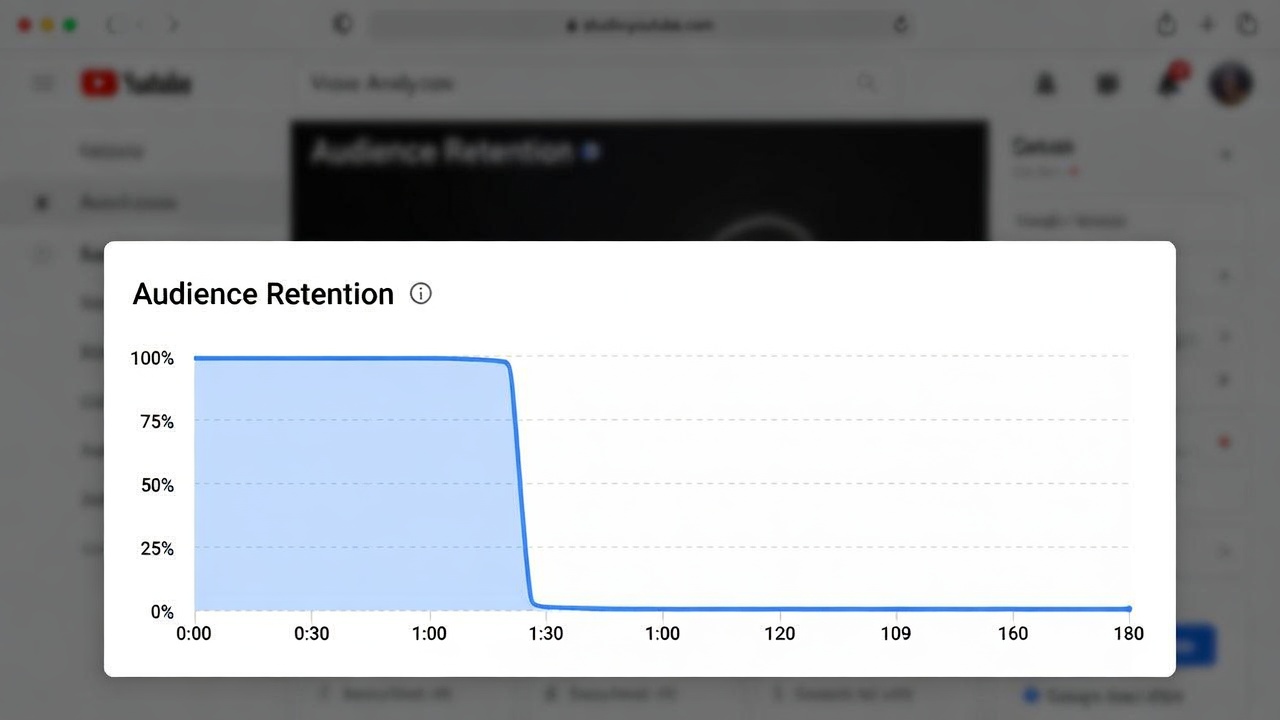
Audience retention pattern showing an initial plateau followed by a sharp drop. Example from an anonymized campaign (2026).
Retention-based promotion proved useful primarily as a diagnostic tool. It helped distinguish between structural content issues and distribution-related noise.
When used on content with misleading hooks or inconsistent pacing, retention support consistently reinforced negative predictions rather than correcting them.
Retention is not a target. It is a symptom of alignment.
Targeted YouTube Promotion
What targeting means inside YouTube systems
Targeted promotion does not mean reaching specific individuals. It means reducing signal noise.
When traffic is poorly aligned with content intent, viewer behavior becomes erratic. Targeting narrows the initial audience pool so early signals are more coherent.
Observed geo and language effects
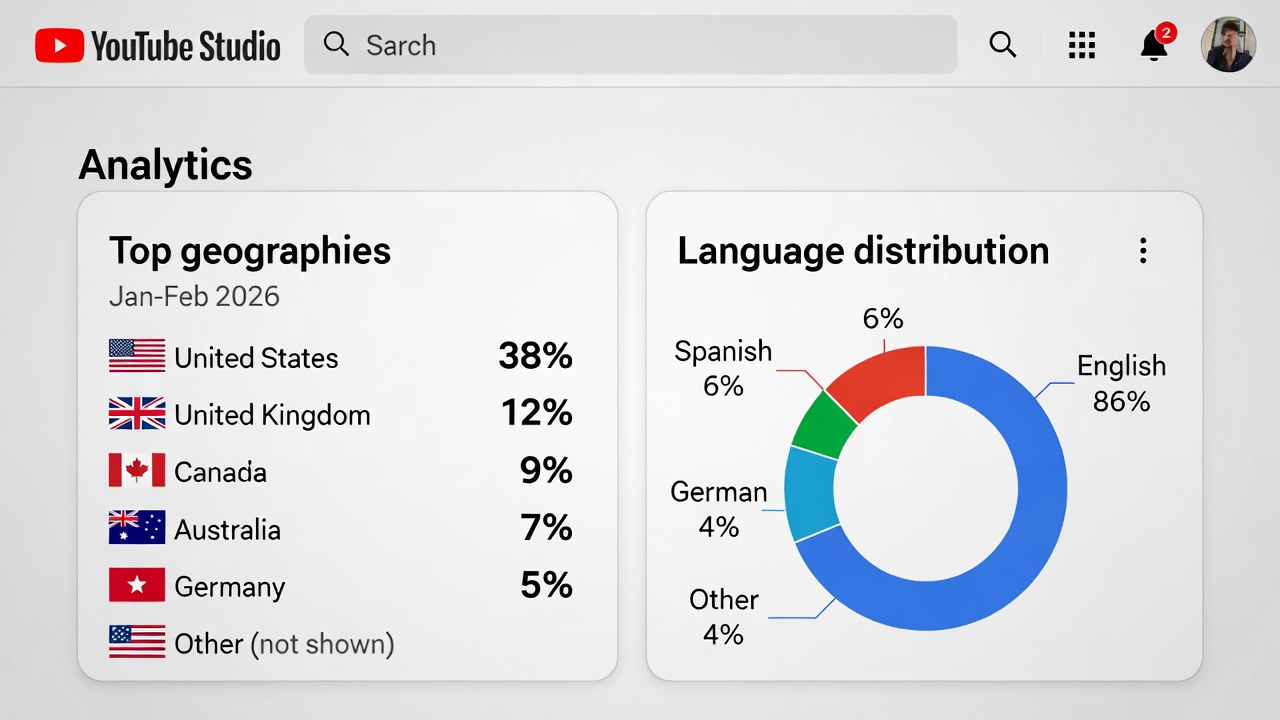
Targeting improved signal clarity when content was language- or region-specific. It failed when narrow success was mistaken for universal demand.
When targeting constraints were lifted, overfitted content often collapsed in broader exposure.
Live Stream Promotion
How live streams are evaluated differently
Live streams introduce real-time uncertainty. Early signals carry disproportionate weight and historical data is limited.
YouTube must decide quickly whether a live stream is worth surfacing.
Observed live stream behavior
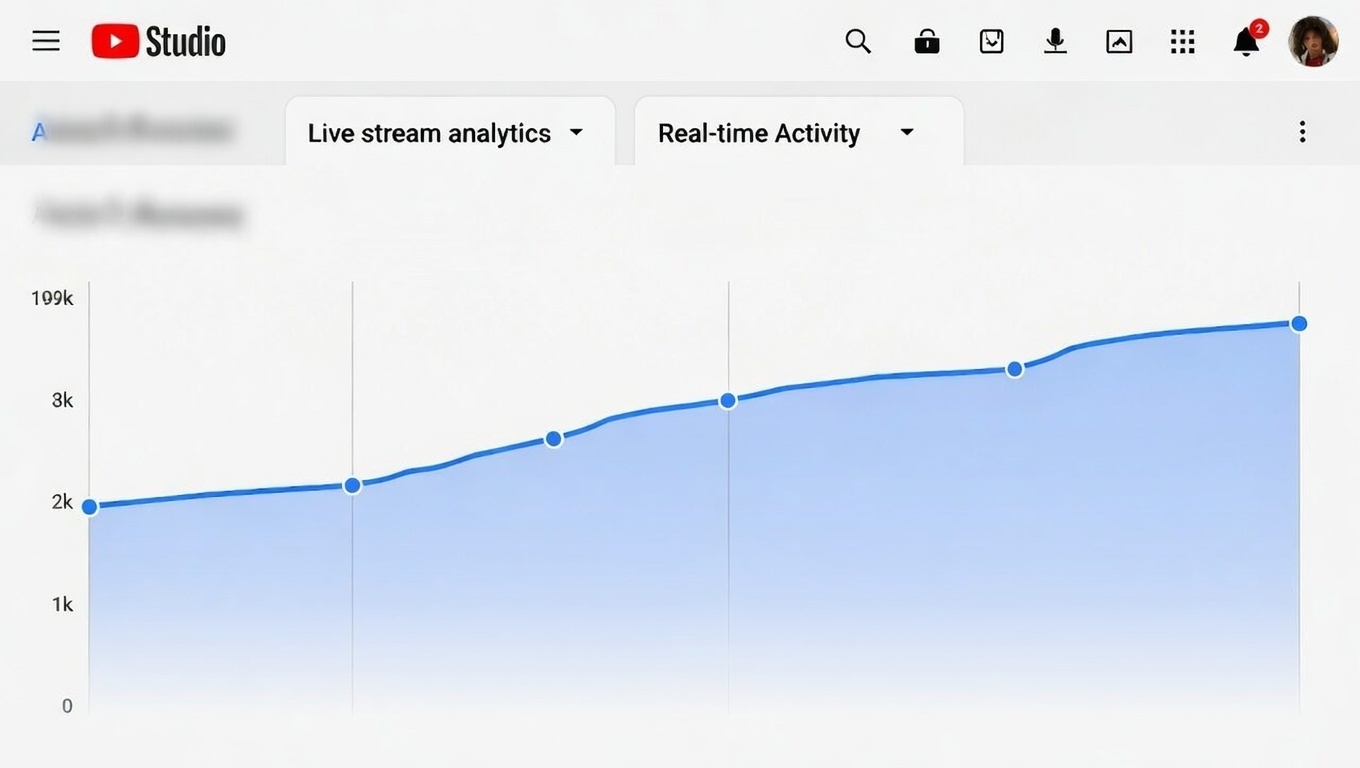
Live stream promotion helped avoid the empty-room effect, allowing the system to observe real interaction early.
Artificially inflating concurrency without participation consistently damaged future live visibility more than it helped. Presence without engagement produced negative learning.
Live promotion is support, not substitution.
Organic YouTube Campaigns
What organic campaigns actually mean
Organic YouTube campaigns are not services. They are strategies that leverage native system behavior rather than external stimulation.
They are built on relevance, narrative clarity, audience alignment, and information architecture.
Observed organic propagation
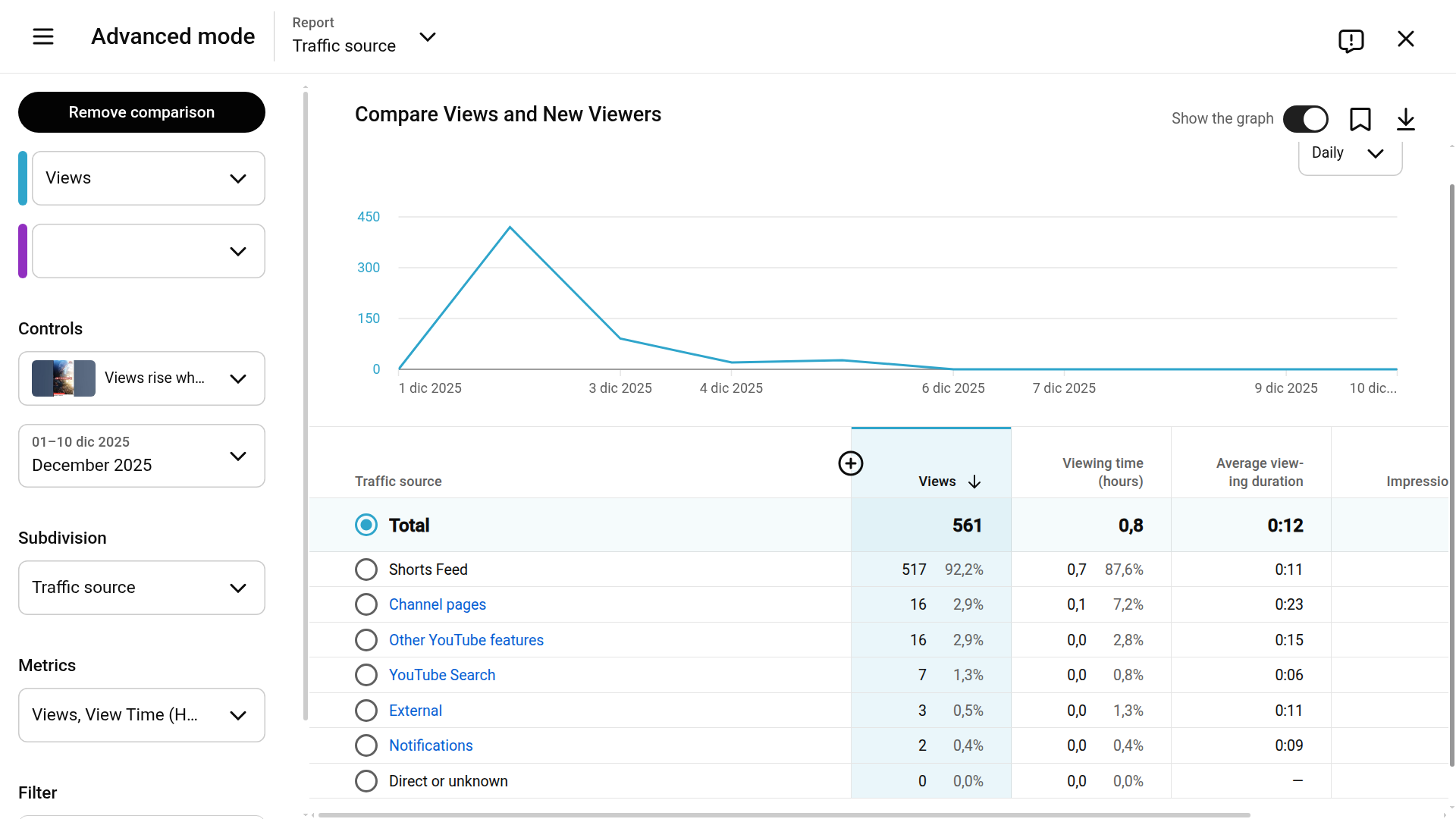
Across campaigns, promotion only helped when organic coherence already existed. Where it did not, metrics decayed quickly after stimulation ended.
Organic strength is the foundation. Promotion, when used, comes second.
For a practical way to sanity-check engagement quality, read the ideal ratio between views, comments, and likes for a YouTube channel.
What Years of Campaign Analysis Changed About Our Perspective
Early on, it was tempting to evaluate promotion by isolated metrics: views, averages, percentages. Over time, this approach proved misleading.
Many campaigns that looked successful in dashboards left no trace in recommendations or search. The campaigns that actually helped were quieter, slower, and often unimpressive on the surface.
This is why this guide focuses on conditions, not tactics. When conditions are right, promotion helps the system see what is already there. When they are not, no service compensates for that gap.
Sources & further reading
YouTube Creator Insider – Audience Retention & Satisfaction
YouTube Help Center – How recommendations work
- YouTube Creators – official creator resource hub
Selected public talks and documentation on user behavior modeling (2023–2025)
Closing Thoughts
YouTube promotion services are not interchangeable tools. Each plays a role only in context and only when content quality and audience alignment already exist.
Organic campaigns provide the foundation. Promotion without coherence is noise. Promotion that supports intrinsic value is signal amplification.
This guide is a framework, not a prescription.
Not sure which promotion strategy fits your channel?
Our Video & Channel Analysis examines your content, positioning and current channel signals before recommending the most appropriate next steps. It is designed for creators and businesses that want a reasoned strategy instead of choosing a service based on a single visible metric.
About the Author and Editorial Responsibility
This guide is written by a practitioner with long-term exposure to YouTube growth mechanics, campaign analysis, and promotion systems. The goal is not to sell volume, but to provide clarity and reduce misuse.
This document is maintained as a living resource and updated as new data becomes available.
Changelog
Version 1.2. Expanded with analytics-based evidence placeholders, experiential commentary, and system-level interpretation.
Related posts:

Consultant in communication and marketing, I support professionals and businesses in enhancing their online presence through tailored strategies.
With extensive experience in digital marketing, I focus on designing targeted social media campaigns and managing video promotion projects.
I conduct ongoing research on social networks, especially YouTube, analyzing its algorithms, user behavior, and content dynamics to inform effective practices.